Common Chimney Problems Found During Inspections
Finding common chimney problems during inspections helps homeowners identify safety and efficiency issues, and local contractors can provide expert solutions to keep your chimney functioning properly.
Homeowners in the area who rely on their chimneys for warmth and comfort often find that regular inspections are essential for maintaining safe and efficient operation. During these inspections, common chimney problems found can include creosote buildup, damaged or cracked flue liners, and obstructions such as debris or animal nests. Recognizing these issues early can prevent more serious complications, like fires or costly repairs, making it worthwhile to explore what local contractors regularly identify during their assessments.
Understanding the typical problems uncovered during chimney inspections can help property owners prioritize maintenance and ensure their chimneys function properly. Local service providers who specialize in chimney inspections have the expertise to spot these common issues and recommend appropriate solutions. Continuing to read can provide valuable insights into what to expect during an inspection and how professional help can support the safety and longevity of a home’s chimney system.
- Chimney Inspection - homeowners may need this service when signs of creosote buildup or blockages are suspected, and local contractors can identify issues during thorough examinations.
- Chimney Inspection - individuals experiencing draft problems or unusual odors should consider inspections to detect potential damage or obstructions that local service providers can address.
- Chimney Inspection - after severe weather or natural events, local pros can assess for structural damage or debris that could compromise chimney safety.
- Chimney Inspection - property owners planning renovations or additions might require inspections to ensure the chimney is in good condition before proceeding, with local experts providing assessments.
- Chimney Inspection - those noticing smoke escaping from cracks or leaks can benefit from inspections to pinpoint the source of issues, which local contractors can then repair.
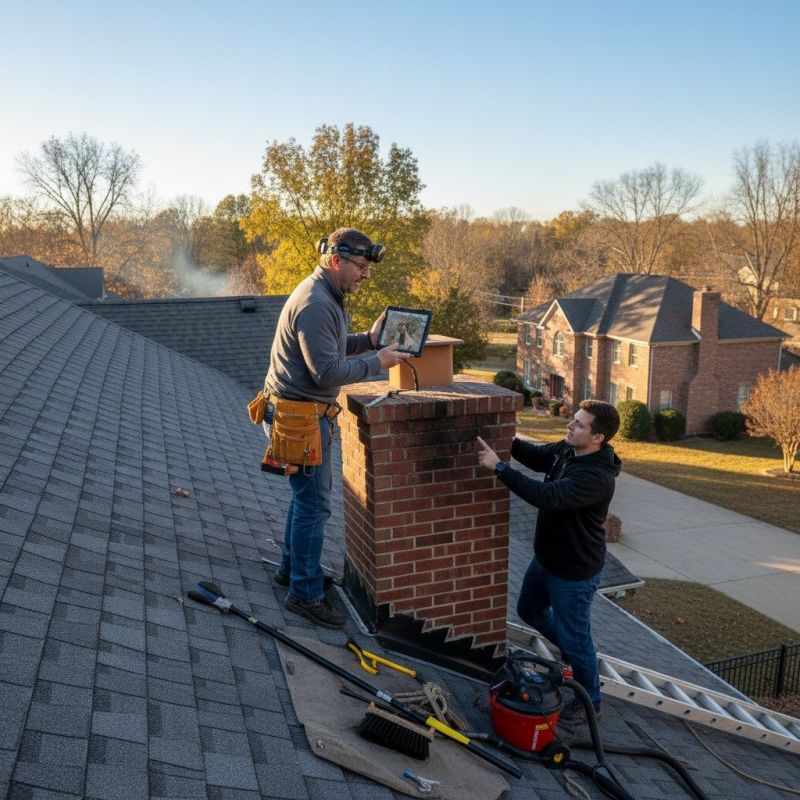
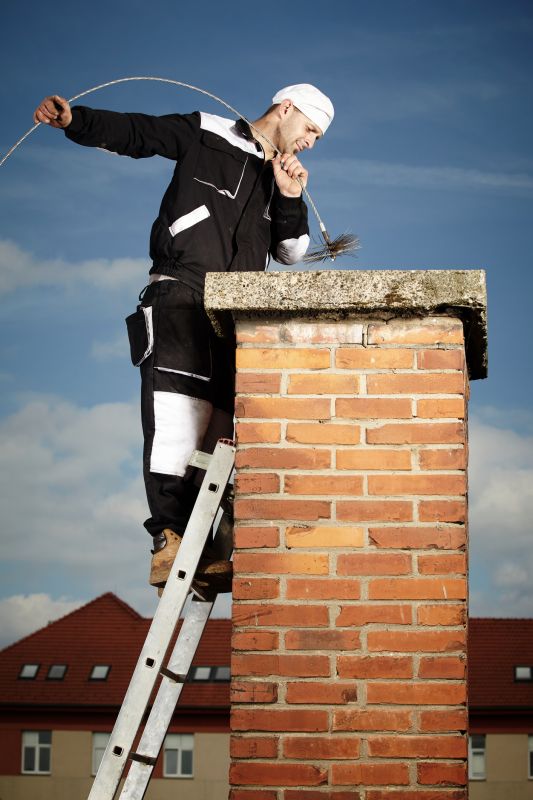
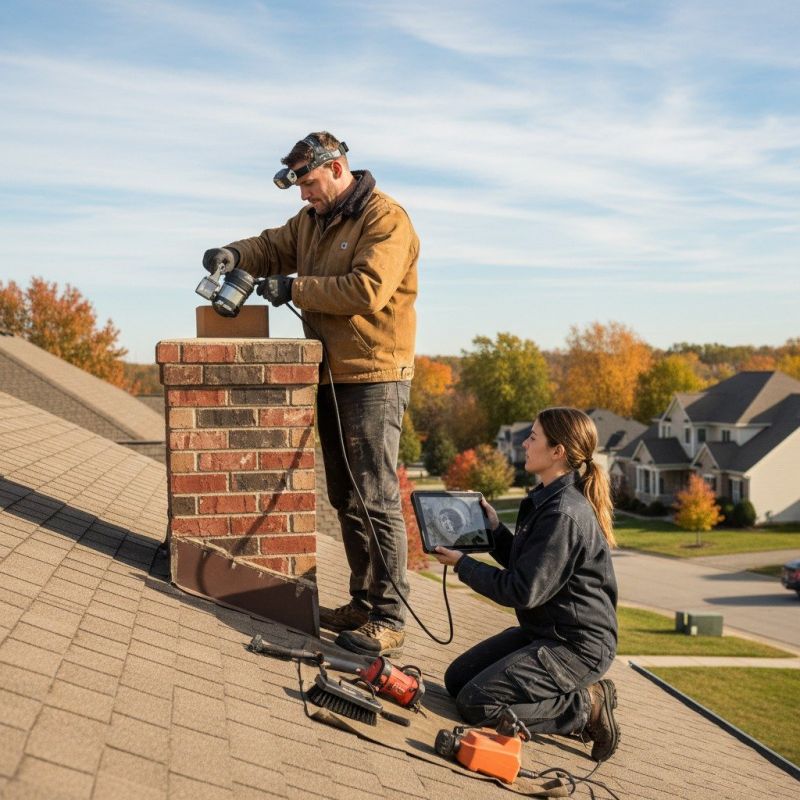
Common chimney problems found during inspections often stem from age, use, and environmental exposure. Over time, mortar joints may deteriorate, leading to cracks and gaps that compromise the chimney’s structural integrity and allow water intrusion. This moisture can cause further damage, such as spalling bricks or rusting of metal components inside the chimney. Additionally, creosote buildup from regular wood burning can accumulate on the interior lining, increasing the risk of chimney fires if not properly cleaned. Inspections help identify these issues early, allowing homeowners to plan necessary repairs or maintenance to ensure safe and efficient operation of their fireplace or stove.
Another frequent issue uncovered during chimney inspections involves obstructions or debris blocking the flue. Leaves, bird nests, or other debris can obstruct airflow, which not only reduces the chimney’s efficiency but also creates dangerous conditions for smoke and gases to vent properly. In some cases, animals may nest inside the chimney, causing blockages and potential damage to the lining. These problems are especially common in properties with unused or rarely used chimneys, as debris can accumulate unnoticed over time. Local service providers can assist with thorough inspections to locate and remove obstructions, restoring proper function and safety.
Chimney crown and cap problems are also common findings during inspections. The chimney crown, which sits at the top of the structure, can crack or erode due to weather exposure, allowing water to seep into the masonry below. Water infiltration can accelerate deterioration and cause mortar joints to weaken, leading to more extensive repairs. Similarly, a damaged or missing chimney cap can permit moisture, debris, and animals to enter the flue, increasing the risk of damage and blockages. Addressing these issues promptly with the help of local contractors can prevent more costly repairs down the line and help maintain the longevity of the chimney.
Finally, issues with the chimney liner are frequently detected during inspections. The liner protects the interior of the chimney and ensures safe venting of combustion gases. Common problems include cracking, spalling, or deterioration of the liner material, which can compromise its effectiveness. A damaged liner may lead to leaks of dangerous gases into the home or increased risk of chimney fires. Inspections are essential for identifying these problems early, and experienced local service providers can recommend appropriate repairs or liner replacements. Properly maintained liners contribute significantly to the safe and efficient operation of a home's heating system, making regular inspections a vital part of chimney care.
Chimney Repair Projects - These projects involve fixing structural issues or damage identified during inspections, requiring similar skills in assessing and addressing masonry and flue problems.
Masonry Restoration Services - Restoring or repointing damaged chimney masonry shares planning and material knowledge with identifying cracks or deterioration during inspections.
Flue Liner Replacement - Replacing or repairing chimney flue liners is related to inspection findings of liner damage or deterioration, demanding similar tool use and planning.
Chimney Waterproofing Services - Applying waterproof coatings or sealants to prevent moisture intrusion connects to inspection concerns about moisture damage or leaks.
Chimney Cap Installation - Installing caps or crowns to prevent water and debris entry aligns with inspection recommendations to address blockages or damage.
Damp Proofing and Leak Repairs - These projects focus on fixing leaks or moisture issues identified during inspections, requiring similar assessment and repair techniques.
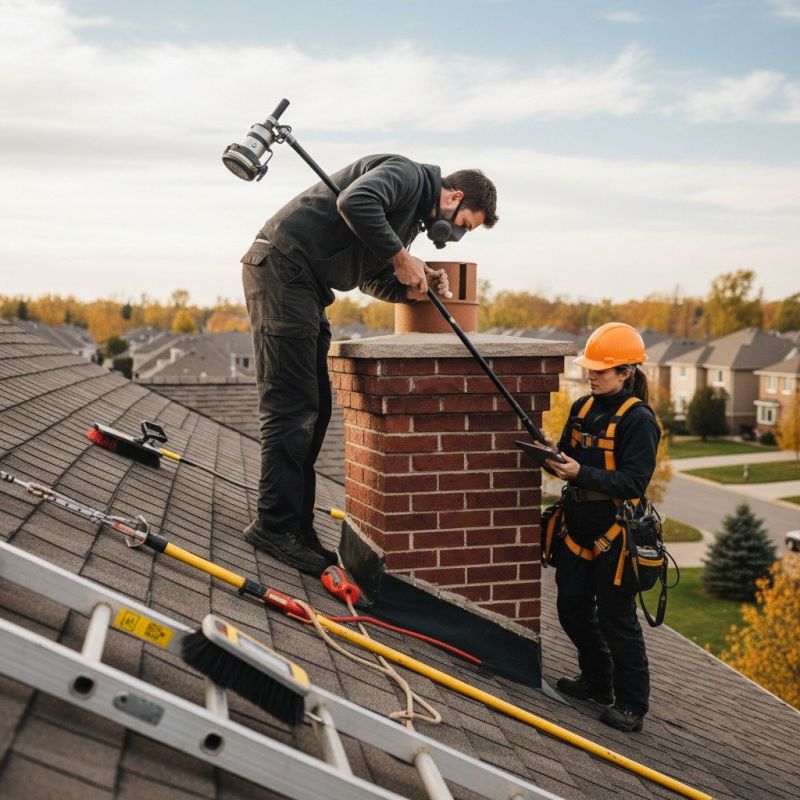
When evaluating local contractors for chimney inspection services, it’s important to consider their experience with similar projects, particularly those that involve identifying common chimney problems found during inspections. An experienced service provider will have a thorough understanding of the typical issues that can arise, such as creosote buildup, cracked masonry, or damaged flue liners. This familiarity can help ensure that inspections are comprehensive and that potential problems are identified early, reducing the risk of more serious issues down the line. Homeowners should inquire about the contractor’s background and ask for examples of past work related to chimney inspections to gauge their familiarity with common problems.
Clear written expectations are essential when comparing local service providers. A reputable contractor should be able to provide a detailed scope of what the inspection will cover, including the specific areas that will be examined and the types of issues they will look for. This transparency helps homeowners understand what to expect and ensures there are no surprises after the inspection is completed. Additionally, it’s beneficial to seek references from previous clients or reviews that speak to the contractor’s reliability and thoroughness in handling chimney inspections, especially those that involved uncovering common problems.
Effective communication is a key factor in choosing the right local contractor for chimney inspections. A professional service provider should be responsive to questions, able to explain findings in clear, understandable terms, and willing to discuss recommended next steps if issues are discovered. Good communication helps homeowners feel confident in the inspection process and ensures they are well-informed about the condition of their chimney. When comparing options, consider how easily the contractor responds to inquiries and whether they demonstrate a clear understanding of common chimney problems, which can be indicative of their ability to perform a thorough and accurate inspection.
Property owners often search for common chimney problems found during inspections when they are planning practical projects around their homes and businesses. Local pros provide Chimney Inspection services for everyday jobs and straightforward project options.

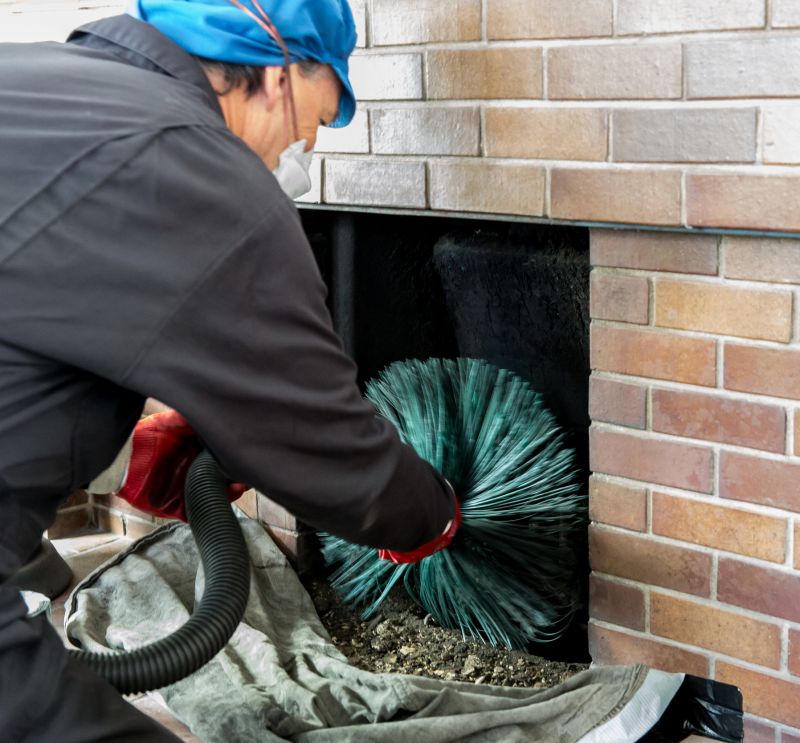
Many property owners in the area seek out information on common chimney problems found during inspections to better understand potential issues with their homes. During routine checks, inspectors often identify issues such as creosote buildup, cracked or deteriorated chimney crowns, and damaged mortar joints. These problems can impact the safety and efficiency of a chimney, making it important for homeowners to consider professional inspection services to catch these concerns early before they develop into more costly repairs.
Other frequent findings include obstructions like animal nests or debris, as well as signs of water damage or rusting components. These issues can sometimes go unnoticed without a thorough inspection, which is why many property owners look into local contractors who specialize in chimney assessments. Connecting with experienced service providers can help ensure that any problems are properly evaluated and addressed, supporting the safe operation of the chimney and the overall integrity of the home.
What are common chimney problems found during inspections? Common issues include cracked or missing mortar, creosote buildup, damaged chimney caps, and deteriorated flue liners, which can affect safety and efficiency.
How can cracked or damaged mortar affect a chimney? Cracked or missing mortar can lead to structural instability, water infiltration, and further deterioration if not addressed during an inspection.
Why is creosote buildup a concern during chimney inspections? Creosote is a flammable substance that accumulates from burning wood, increasing the risk of chimney fires if not properly cleaned and maintained by service providers.
What issues can damaged chimney caps cause? Damaged or missing chimney caps can allow debris, animals, and water to enter the chimney, leading to blockages and potential damage that local contractors can repair.
How do deteriorated flue liners impact chimney safety? Deteriorated or cracked flue liners can allow harmful gases to escape into the home and increase the risk of fire, making inspection and repairs essential from experienced service providers.
Creosote buildup - Regular inspections can identify creosote accumulation, helping property owners schedule professional cleaning to prevent chimney fires.
Cracked or missing mortar - Detecting mortar damage during inspections allows for timely repairs, maintaining the chimney’s structural integrity.
Damaged chimney caps - Inspection services can reveal issues with chimney caps, which protect against water intrusion and debris entry.
Obstructions or debris - Identifying blockages during inspections enables property owners to clear the chimney, ensuring safe and efficient operation.
If you are thinking about common chimney problems found during inspections for a property, this guide is meant to help you understand this topic, the typical project types, and how different options might fit your plans.
When you are ready, you can use the quote form on this page to share a few details about your project. From there, local pros can review the basics and follow up with options that match what you have in mind.